

When the body hasn't caught up with what you know
〰️
When the body hasn't caught up with what you know 〰️
Trauma Therapy
in Texas & Arizona
Understanding what happened is rarely the thing that resolves it. We address the nervous system directly, where the residue of past experience continues to shape the present
Talk Therapy Has It’s Limits
Some responses outlast the situations that created them. Understanding exactly where they came from doesn't make them disappear. They stay in the tension that rises before you have words for it, the need to stay alert, and the sense that something is wrong when nothing is. Somatic work addresses the patterns as they happen in the body. It works with the response, giving the nervous system a different way to meet what's happening now. The aim is a system that responds to the present.
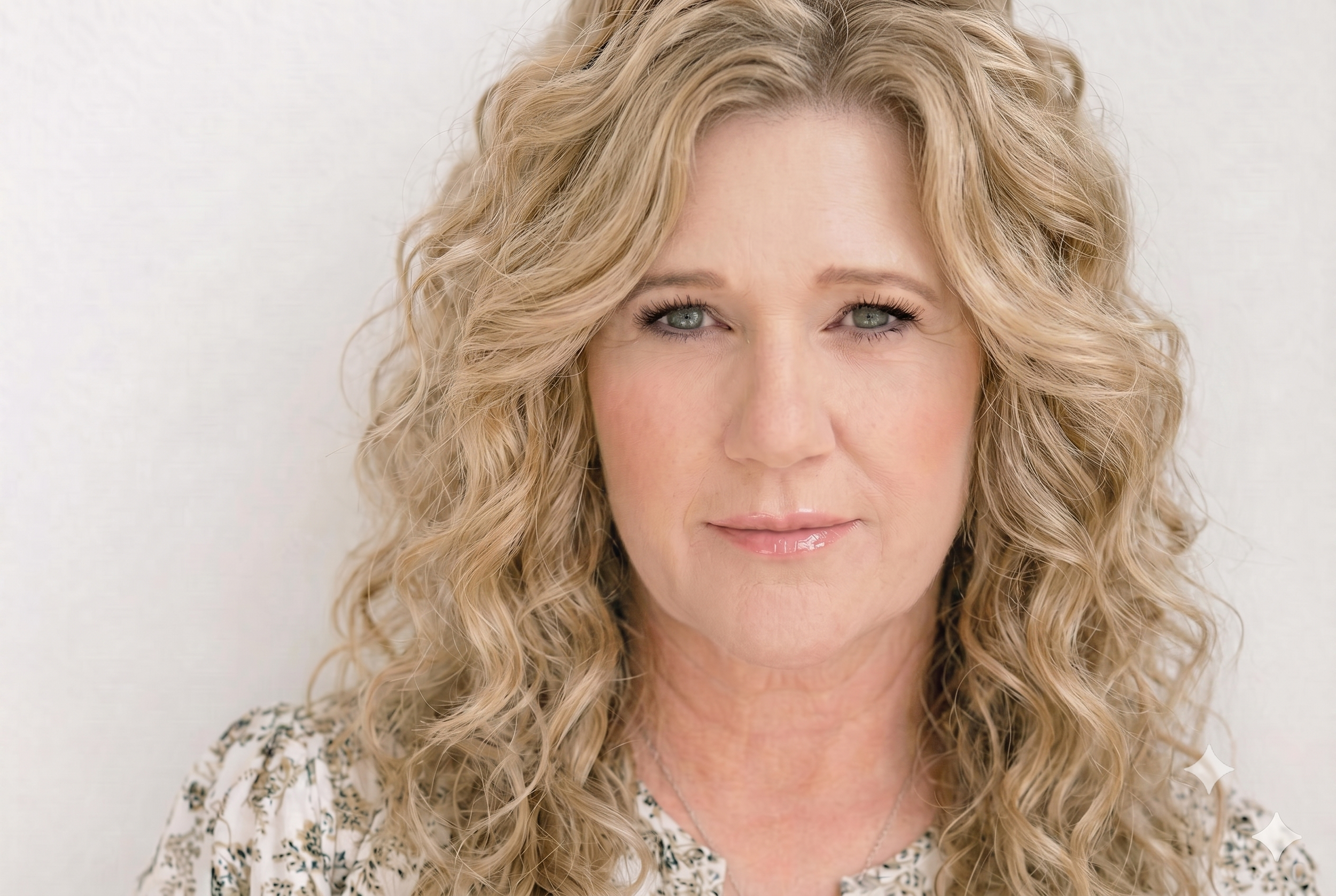
You don’t want to just cope. You want to move forward. Past trauma doesn’t get to run the show anymore.
Whether it was a single experience or years of relational pain, therapy works with both your nervous system and the patterns shaped by early connection so you can feel more steady in yourself and in the relationships that matter most.
Your current patterns are just old blueprints for survival
✹
Your current patterns are just old blueprints for survival ✹
Beyond the Surface: Healing the Whole System
Trauma doesn’t stay contained in memory. It continues to shape how the nervous system responds, often showing up as panic, persistent tension, or a constant sense of alertness even when life appears stable.
Insight alone doesn’t always reach these patterns. Our work focuses on how stress is organized in the nervous system and how factors like nourishment, pacing, and daily rhythms support regulation.
Rather than focusing on what happened, we help the system complete what was interrupted so safety can be experienced in the present.

Whether you're ready to start therapy or have a few questions first, reaching out gives you a sense of what working together could look like.
I offer free 15-minute phone consultations so we can talk about what brings you in and whether my approach is a good fit. There's no pressure to schedule. Use the time to ask your questions and see what feels right.
A Place to Begin
EMDR Therapy
Your brain replays old pain as though it's still happening. EMDR works on how that memory is stored, so it stops arriving at full strength. Sessions use bilateral stimulation, usually eye movements, while you hold the memory in mind. That divided attention lets the brain finish processing what it couldn't at the time. You don't have to narrate the event in detail, and the goal is for your nervous system to register that it's over.
What Your System Learned About Closeness
-
The Strategy: Your system is hypersensitive to shifts in connection. You might "over-function" or check in constantly to ensure the bond is still safe.
The Survival Logic: "If I stay close and stay useful, I won't be abandoned.”
-
The Strategy: You value independence above all else. When things get too "heavy" or emotional, your instinct is to pull back or shut down.
The Survival Logic: "If I don't need anyone, nobody can hurt or disappoint me."
-
The Strategy: You crave closeness but fear it simultaneously. This often feels like "push-pull" energy—wanting connection but feeling trapped once you have it.
The Survival Logic: "I need you to survive, but you are also where the pain comes from."
-
The Strategy: You feel comfortable with intimacy and boundaries. You can navigate conflict without your nervous system going into "overdrive."
The Blueprint: A belief that you are worthy of care and others are generally reliable.
You're done with quick fixes that don't stick. Let’s do the work that actually works. Ahava Wellness offers online therapy for adults across Texas and Arizona.